Mixed Technology PCB Assembly

Mixed Technology PCB Assembly

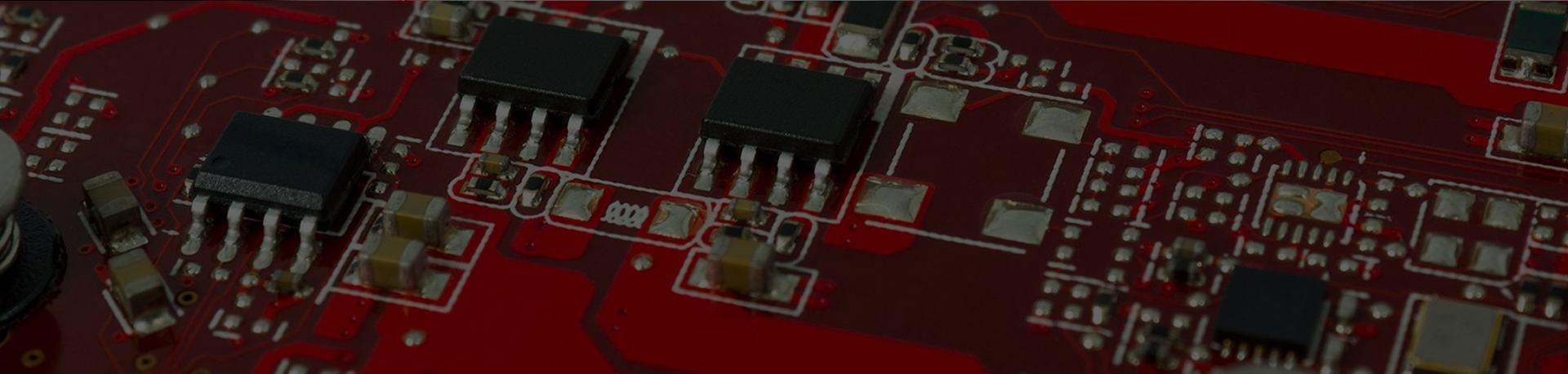
Mixed technology PCB assembly refers to the process of assembling a printed circuit board (PCB) using both Surface Mount Technology (SMT) and Through-Hole Technology (THT) on the same board. This approach allows to take advantage of the strengths of both techniques to meet complex design and functionality requirements. This technology enhances product reliability and lifespan.  

Combining SMT & Through-Hole for Superior Performance and Reliability

Modern electronic devices require compact structures, high-density component placement, and long-term durability especially in demanding industrial and mission-critical applications. Mixed Technology PCB Assembly provides the best of both worlds by integrating Surface Mount Technology (SMT) and Through-Hole Technology (THT) on a single board. This hybrid approach offers unmatched design flexibility, electrical performance, and mechanical strength.
Sierra Assembly specializes in Mixed Technology PCB Assembly for industrial, automotive, aerospace, medical, consumer electronics, and IoT applications. With advanced equipment, refined soldering processes, and strict inspection standards, we ensure every hybrid assembly meets the highest levels of performance, consistency, and reliability.

What Is Mixed Technology PCB Assembly?

Mixed technology PCB assembly merges SMT components (such as ICs, resistors, capacitors, LEDs, BGAs) with THT components (like connectors, large power components, relays, transformers) on the same circuit board. Each technology offers unique benefits:

  • SMT: High component density, compact size, lightweight design, high-speed placement
  • THT: Strong mechanical anchoring, excellent for large or high-power components

By combining both, designers can optimize functionality without compromising size or durability. This makes mixed technology ideal for complex, rugged, or high-performance electronic products.

Why Choose Mixed Technology PCB Assembly?

1. Greater Design Flexibility

Mixed technology assembly allows engineers to place high-density SMT components on one or both sides of the PCB while using  where mechanical support or high current flow is required. This enhances layout freedom and improves overall performance.

2. Superior Mechanical Strength

THT components provide reliable anchoring, making them suitable for:

  • High-vibration environments
  • Power electronics
  • Automotive and aerospace systems
  • Industrial machinery

This ensures long-term mechanical stability and durability.

3. High Component Density

SMT allows tight placement of miniature components, enabling:

  • Compact device footprints
  • Lightweight designs
  • High-speed digital circuitry
  • Multi-functional PCB layouts

Mixed technology is especially useful in devices where space is limited but performance demands are high.

4. Cost-Effective & Scalable Production

Sierra Assembly supports:

  • Rapid prototypes
  • Medium-size production batches
  • High-volume automated runs

Mixed technology eliminates the need for multiple boards by combining everything into a single, optimized PCB reducing development and assembly costs.

Our Mixed Technology PCB Assembly Process

✔ Step 1: DFM & BOM Review
We begin with a detailed review of your design files to ensure manufacturability and cost-effectiveness. Our engineers evaluate:

  • Component placement constraints
  • Hole size and tolerance
  • Thermal distribution and balancing
  • Soldering sequence optimization
  • Mixed-technology interaction risks

This reduces rework, shortens lead time, and improves reliability.
✔ Step 2: SMT Assembly
Our SMT process is fully automated for precision and consistency.
Process steps include:

  • Solder paste printing with laser-cut stencils
  • High-speed pick-and-place of SMT components
  • Reflow soldering with optimized thermal profiles
  • 3D SPI and AOI inspection

We support advanced SMT components such as:

  • Micro-BGAs
  • QFNs and DFNs
  • 0201/01005 passives
  • RF modules
  • Fine-pitch ICs

✔ Step 3: Through-Hole Assembly
THT components are inserted and soldered using one of three techniques, depending on design needs:

  • Wave soldering – Best for high-volume THT insertion
  • Selective soldering – Ideal for boards with mixed SMT and THT regions
  • Hand soldering – Perfect for specialized, sensitive, or unique components

Each method ensures strong, reliable solder joints suitable for high-vibration and high-power applications.
✔ Step 4: Cleaning & Inspection
After assembly, PCBs undergo cleaning to remove flux residues. Our quality control includes:

  • AOI (Automated Optical Inspection)
  • X-ray inspection for BGAs and hidden joints
  • Flying probe testing
  • ICT (In-Circuit Testing)
  • Functional testing based on customer requirements

All assemblies follow IPC-A-610 Class II or Class III standards, depending on project needs.

Advantages of Mixed Technology PCB Assembly

1. Best of Both PCB Assembly Methods

SMT provides compactness and speed, while THT offers superior mechanical and thermal stability. Mixed technology delivers the ideal combination for multifunctional and durable electronics.

2. Supports High-Power and High-Density Designs

Mixed assemblies are ideal when your PCB requires both high-density digital circuits and robust high-power features such as:
  • Power connectors
  • Transformers
  • Heat sinks
  • Coil and relay modules
  • High-current paths

3. Reliable Under Extreme Conditions

Mixed technology assemblies excel in harsh environments involving:
  • Mechanical vibration
  • Temperature fluctuations
  • Heavy electrical load
  • Shock and stress
This makes them suitable for automotive control units, industrial robots, aerospace communication modules, and medical-grade electronics.

Mixed Technology vs SMT-Only vs THT-Only

Feature SMT-Only THT-Only Mixed Technology
Component Density High Moderate High
Durability Medium High Very High
Cost Low Medium Medium
Suitability for Power Components Low High High
Layout Flexibility Medium Low Very High
Mixed technology offers the perfect balance of density, durability, and design freedom.

Industries Using Mixed Technology PCB Assembly

Sierra Assembly’s mixed-technology solutions are widely used in:
  • Industrial automation & factory machinery
  • Automotive electronics & electric vehicle systems
  • Medical diagnostic and monitoring devices
  • Aerospace & defense communication modules
  • IoT gateways, sensors & wireless devices
  • LED lighting, drivers & power supply units
  • Consumer electronics & portable devices
These industries rely on mixed technology for its flexibility, ruggedness, and compact performance.

Additional Technical Considerations for Mixed Technology Assembly

Thermal Profile Coordination

Managing heat distribution is critical when combining SMT and THT processes. Each technology reacts differently to temperature cycles, so improper thermal control can lead to defects that affect long-term reliability. Our experts design precise profiles that maintain uniform heating throughout all assembly stages.
  • PCB warping
  • Solder bridging
  • Joint cracking
  • Component overheating
Our engineers optimize thermal zones to maintain consistency during reflow and wave soldering.

Solder Mask Clearance & Pad Design

Mixed-technology boards require careful solder mask planning to ensure proper solder flow and prevent unintended bridging. With optimized pad geometries and mask openings, we ensure clean, reliable joints that support both high-density SMT and robust THT components.
  • Solder wicking
  • Via bridging
  • Cold joints
Design rules are adjusted to ensure optimal wetting and strong mechanical bonds.

Board Layout Optimization

Effective layout planning reduces manufacturing risks and ensures seamless integration of SMT and THT components. By evaluating spacing, routing paths, and thermal zones, we help achieve the most efficient, reliable mixed-technology PCB configuration.
  • Proper spacing between SMT and THT sections
  • Efficient routing for dense SMT networks
  • Safe clearance for high-power THT areas
  • Reduced risk of thermal shadowing during wave soldering

Selective Soldering Benefits

Selective soldering is essential for complex hybrid assemblies that cannot withstand full wave soldering. This process targets individual pins or components with precision, ensuring minimal heat exposure to nearby SMT devices and delivering consistent solder quality.
  • Precision soldering of individual THT pins
  • Minimal thermal impact on SMT components
  • Consistent, repeatable results for high-reliability products

Get a Mixed Technology PCB Assembly Quote

Achieve the perfect balance of performance, reliability, and cost efficiency.
Request a quote from Sierra Assembly today and bring your mixed-technology design to life.


FAQs - Mixed Technology PCB Assembly

1. Do you support assembly on both sides of the PCB?
Yes. We support single and double-sided SMT along with top/bottom-side THT placement, depending on board design.

2. What soldering methods do you use?
We use:
  • Selective soldering
  • Wave soldering
  • Precision hand soldering
This ensures optimal results for different component types.

3. Can mixed technology reduce overall production cost?
Yes. Mixed technology helps consolidate multiple functions onto one board, minimizing:
  • PCB size
  • Cable assemblies
  • Mechanical housings
  • Multi-board system costs
4. What types of boards benefit the most?
Boards that require both compact circuitry (SMT) and high-strength components (THT) such as power converters, controllers, and communication modules.

PCB Assembly Quote Calculator

Use our onlinePCB assembly cost calculator and quote PCB assembly online as per your specifications. Save your time with our PCB Assembly instant Online Quote. 


Calculate Now

Download our brochure to know more about capabilities.

Custom Quotes

If you find that your project doesn’t fit within our online configurator, fill out the form with your specific needs , upload files and we will create a customized quote for you.

Custom Quote

Testimonials